17 Easy DIY Sensory Bin Ideas Kids Will Love in 2026
Many parents search for sensory activities when their children seem bored, restless, or overly attached to screens. The challenge is finding ideas that are simple to set up, affordable, and engaging enough to hold a child’s attention without creating a huge cleanup project.
Sensory bins are one of the easiest ways to encourage learning through play. With a few everyday materials and a creative theme, you can create activities that support fine motor skills, problem-solving, creativity, and independent exploration.
Key Takeaways
- Sensory bins promote hands-on learning and creativity.
- Most activities use simple household materials.
- Open-ended play keeps children engaged longer.
- Sensory play supports fine motor development.
- Themed bins encourage imaginative storytelling.
- Sorting and transferring activities build early learning skills.
- Sensory setups can be adapted for different ages.
- Simple boundaries help reduce mess during play.
What Are Easy DIY Sensory Activities?

Easy DIY sensory activities are hands-on experiences that encourage children to explore through touch, movement, sight, and sound. The best sensory setups use simple materials you already have at home, such as rice, water, beans, paper, or small toys. Because the activities are open-ended, children can create their own play experiences while building focus, creativity, and confidence.
Pro Tip: Keep sensory bins simple by introducing only a few tools and materials at a time to avoid overwhelming younger children.
Dinosaur World Play

A dinosaur-themed sensory bin instantly sparks imagination and storytelling. Dyed green rice, toy dinosaurs, small trees, and natural elements create a prehistoric landscape where children can dig, explore, and invent their own adventures while developing fine motor skills.
Pro Tip: Add different-sized dinosaur figures to encourage creative storytelling and comparison play.
Land Water Sorting

Land and water sorting activities help children learn classification skills through hands-on exploration. Using different fillers for each environment allows kids to sort animal figures based on their habitats while improving observation and decision-making abilities.
Pro Tip: Choose highly contrasting colors and textures to make sorting easier for younger children.
Garden Plant Play

Garden-themed sensory bins encourage children to mimic real-life planting activities. Kinetic sand, toy flower pots, scoops, and pretend plants create opportunities for digging, planting, and arranging while strengthening fine motor coordination.
Pro Tip: Include small watering cans to make the play experience feel more realistic.
Ice Dig Rescue

Ice rescue bins introduce temperature as an exciting sensory element. Frozen toys hidden inside ice blocks encourage children to chip, scrape, and melt their way to discovery while practicing patience and problem-solving skills.
Pro Tip: Add warm water droppers for safe and engaging ice-melting experiments.
Construction Letter Dig

Construction-themed sensory play combines learning and movement in one activity. Construction vehicles dig through textured fillers to uncover hidden letters, helping children develop letter recognition while staying actively engaged.
Pro Tip: Use alphabet pieces in bright colors to make them easier to find during play.
Scoop and Pour

Simple scoop-and-pour activities are ideal for toddlers and preschoolers. Filling, dumping, and transferring materials between containers encourages hand-eye coordination while creating a calming, repetitive play experience.
Pro Tip: Use containers of different sizes to introduce early measuring concepts.
Carrot Patch Dig
A carrot patch sensory bin turns digging into a fun harvest adventure. Children use garden tools to uncover and pull pretend carrots from sand or soil-like fillers, strengthening hand muscles and coordination.
Pro Tip: Hide carrots at different depths to add variety and challenge.
Woodland Counting Play

Woodland-themed counting bins combine nature-inspired play with early math practice. Forest animals, natural textures, and number pieces encourage children to count, sort, and group objects in a playful environment.
Pro Tip: Incorporate small bowls for easy sorting and counting activities.
Earth Sensory Map

Earth-themed sensory bins introduce basic geography concepts through exploration. Blue and green fillers represent land and water while loose parts encourage sorting, arranging, and imaginative world-building activities.
Pro Tip: Use simple globe images as visual references for older children.
Farm Sorting Station
Farm-themed bins create opportunities for sorting and imaginative play. Animals, grains, and miniature farm elements encourage children to group objects while learning about familiar farm environments.
Pro Tip: Create separate farm zones to encourage more detailed sorting activities.
Rainbow Texture Mix

Bright colors and varied textures make rainbow sensory bins visually exciting. Children can scoop, sort, and transfer colorful materials while exploring different textures and developing creative play skills.
Pro Tip: Include clear containers so children can easily see color combinations.
Winter Snow Scene

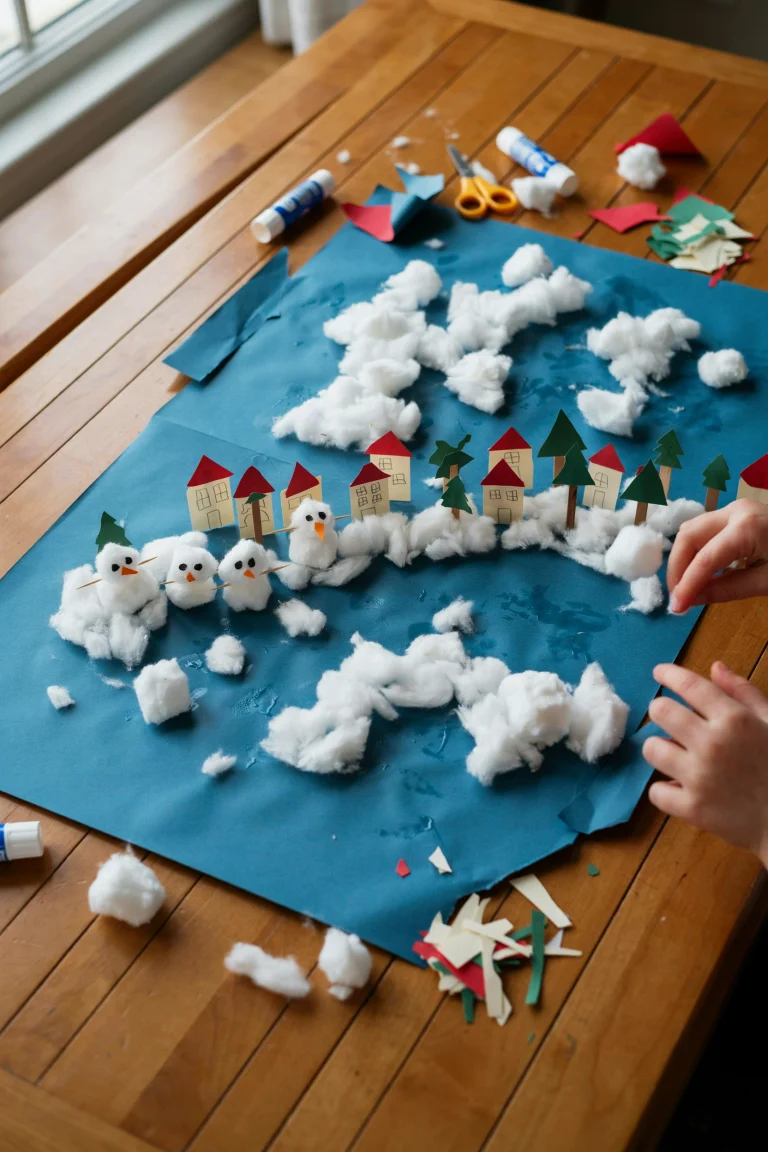
A winter-themed sensory bin creates a peaceful play environment using faux snow, miniature trees, and winter figures. The soft textures and calm color palette encourage slower, more focused play.
Pro Tip: Add small winter animals to inspire storytelling opportunities.
Garden Pattern Rows
Pattern-making activities introduce early sequencing and logic skills through play. Children arrange colorful materials into rows and repeating patterns while strengthening concentration and fine motor control.
Pro Tip: Start with simple patterns before introducing more complex sequences.
Pom Pom Transfer

Pom pom transfer activities offer a simple way to build hand strength and coordination. Children use scoops, tongs, or cups to move pom poms between containers at their own pace.
Pro Tip: Use child-safe tweezers to provide an additional fine motor challenge.
Bug Garden Dig
Bug-themed sensory bins encourage curiosity and exploration. Hidden insects, flowers, and textured materials create opportunities for searching, sorting, and discovering while supporting focused play.
Pro Tip: Add magnifying glasses to enhance the investigation experience.
Color Sorting Wheel

A color sorting wheel provides clear visual structure for young learners. Sectioned trays and colorful fillers encourage matching and sorting while supporting color recognition and concentration.
Pro Tip: Introduce one color at a time for younger toddlers before expanding the activity.
Carrot Wrap Station

This sensory activity combines creativity and coordination through wrapping and unwrapping play. Yarn-wrapped carrots provide tactile feedback while helping children strengthen finger control and patience.
Pro Tip: Use yarn in multiple colors to add visual variety and sorting opportunities.
FAQs
How Do I Keep Sensory Play from Turning Into a Mess?
The easiest way to reduce mess is by using a shallow bin or tray and limiting the amount of filler inside. Establishing simple boundaries, such as keeping materials inside the container, helps children stay focused while keeping cleanup manageable.
Pro Tip: Place a large towel or play mat under the sensory bin for easier cleanup.
Which Sensory Bin Fillers Work Best for Toddlers?
Toddlers benefit most from larger, taste-safe fillers such as rolled oats, cooked pasta, water, foam, or large pom poms. These options provide rich sensory experiences while being easier to supervise than very small materials.
Pro Tip: Always choose age-appropriate fillers based on your child’s developmental stage.