24 Goat Playground Ideas DIY for Happy and Active Goats in 2026
I’ve found that providing goats with engaging playground setups not only keeps them active but also boosts their overall happiness. In 2026, DIY options are more creative and accessible than ever, helping me create stimulating environments for my goats. I’m excited to share 24 of my favorite playground ideas that you can easily build at home.
Key Takeaways
- Goats benefit greatly from varied terrain and climbing structures to satisfy their natural curiosity.
- Incorporating multi-level platforms encourages exercise and mental stimulation for goats.
- Using safe, sturdy materials ensures durability and goat safety in playground builds.
- Natural elements like logs and rocks can simulate a goat’s wild environment effectively.
- Regularly changing or rearranging playground components keeps goats engaged over time.
1.Stacked Pallet Climbing Platforms
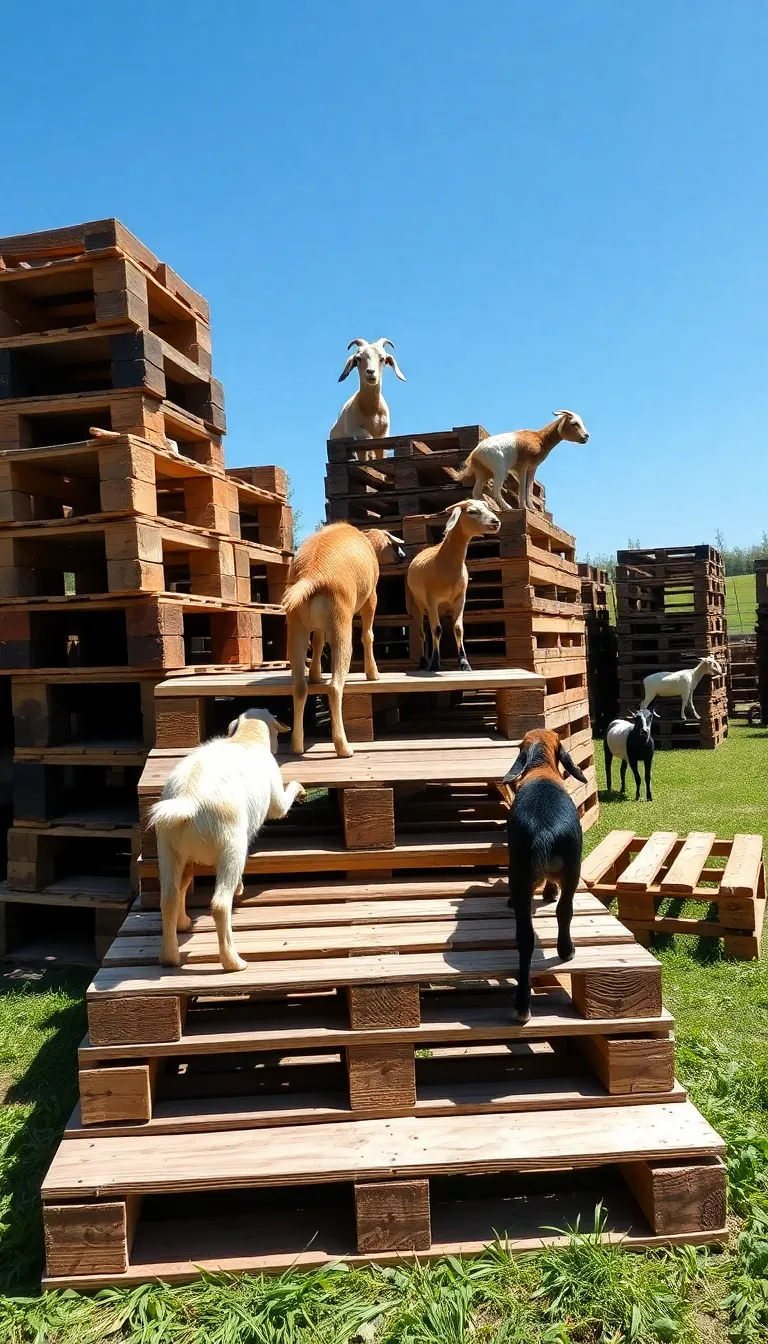
I started by stacking sturdy wooden pallets to create multiple levels for my goats to explore. This simple structure encourages climbing and jumping, which are activities goats naturally enjoy. I always secure the pallets firmly to prevent any shifting that could cause injury.
Pro Tip: Secure pallets tightly to maintain stability and prevent accidents.
2.Tire Hill Climber
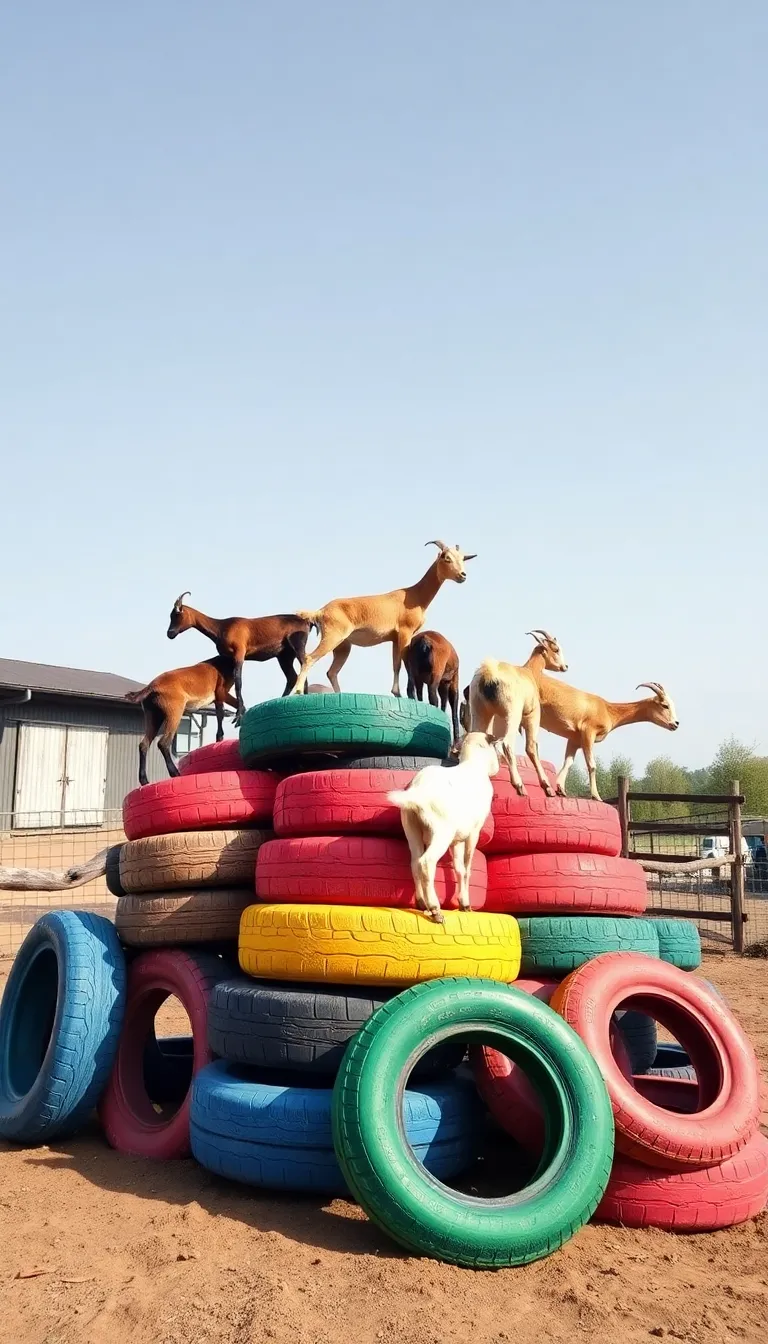
Old tires have become one of my favorite materials to build interesting climbing hills. I stack and secure various sizes to create a small hill with different heights. Goats love hopping on and off the tires, which challenges their balance and agility.
Insight: I noticed my goats quickly mastered tire climbing, showing improved coordination.
3.Wooden A-Frame with Ramp
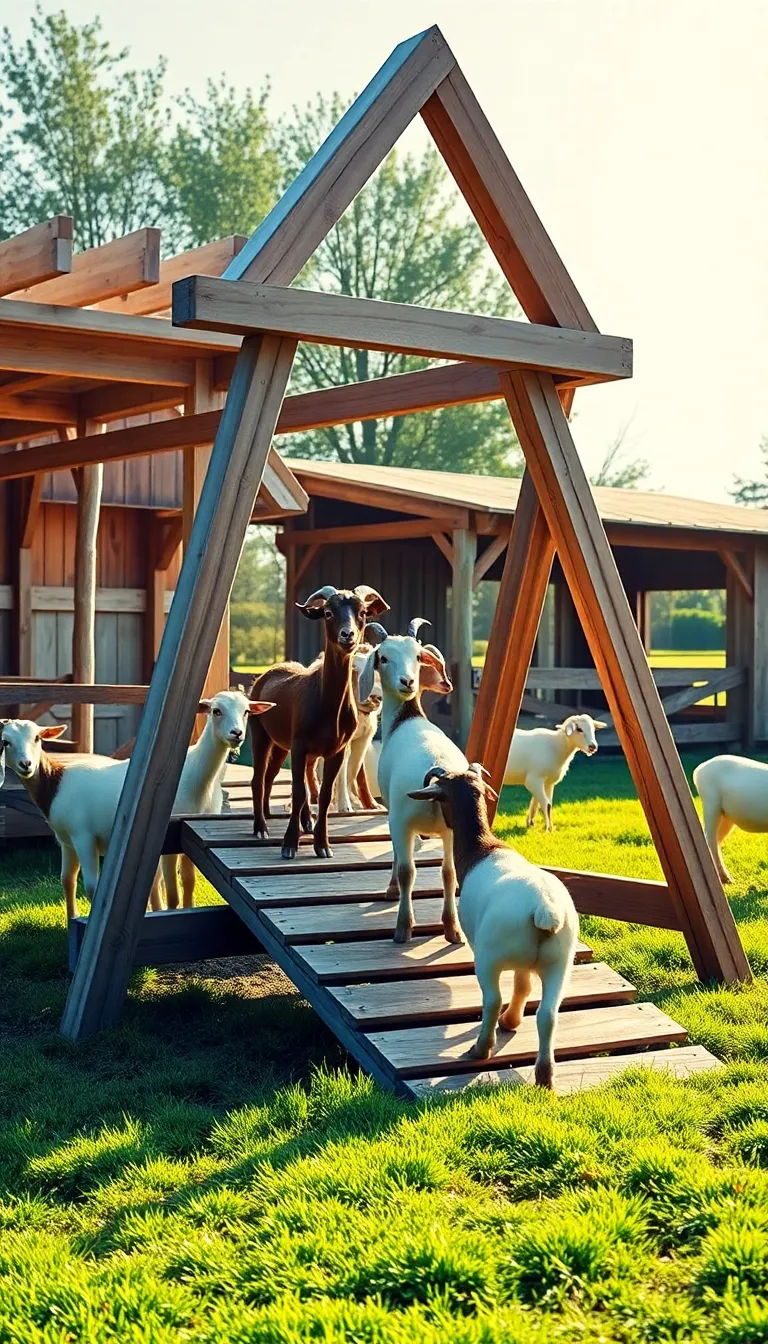
Constructing a wooden A-frame with a ramp was a rewarding DIY project that my goats adore. The incline allows them to practice climbing skills while keeping their nails trimmed naturally on the rough ramp. I regularly check the wood for splinters to keep the play safe and comfortable.
Pro Tip: Check wooden surfaces frequently to avoid splinters and maintain safety.
4.Natural Log Balance Beams
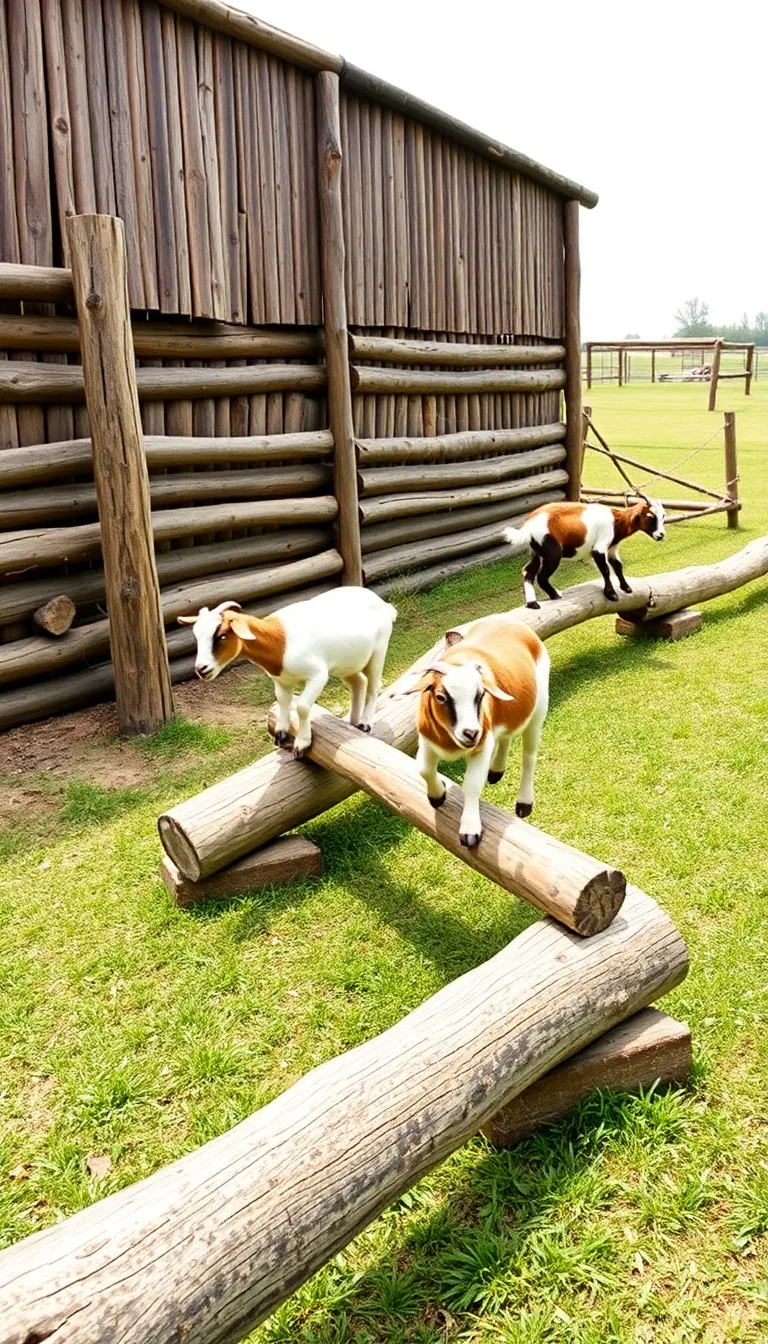
I sourced several solid logs to place horizontally as balance beams for my goats. These natural elements help improve their coordination and simulate the wild terrain they thrive on. I always anchor the logs securely so they don’t roll while goats walk across them.
Fact: Goats naturally seek balance challenges to maintain agility in wild habitats.
5.Concrete Pipe Tunnel
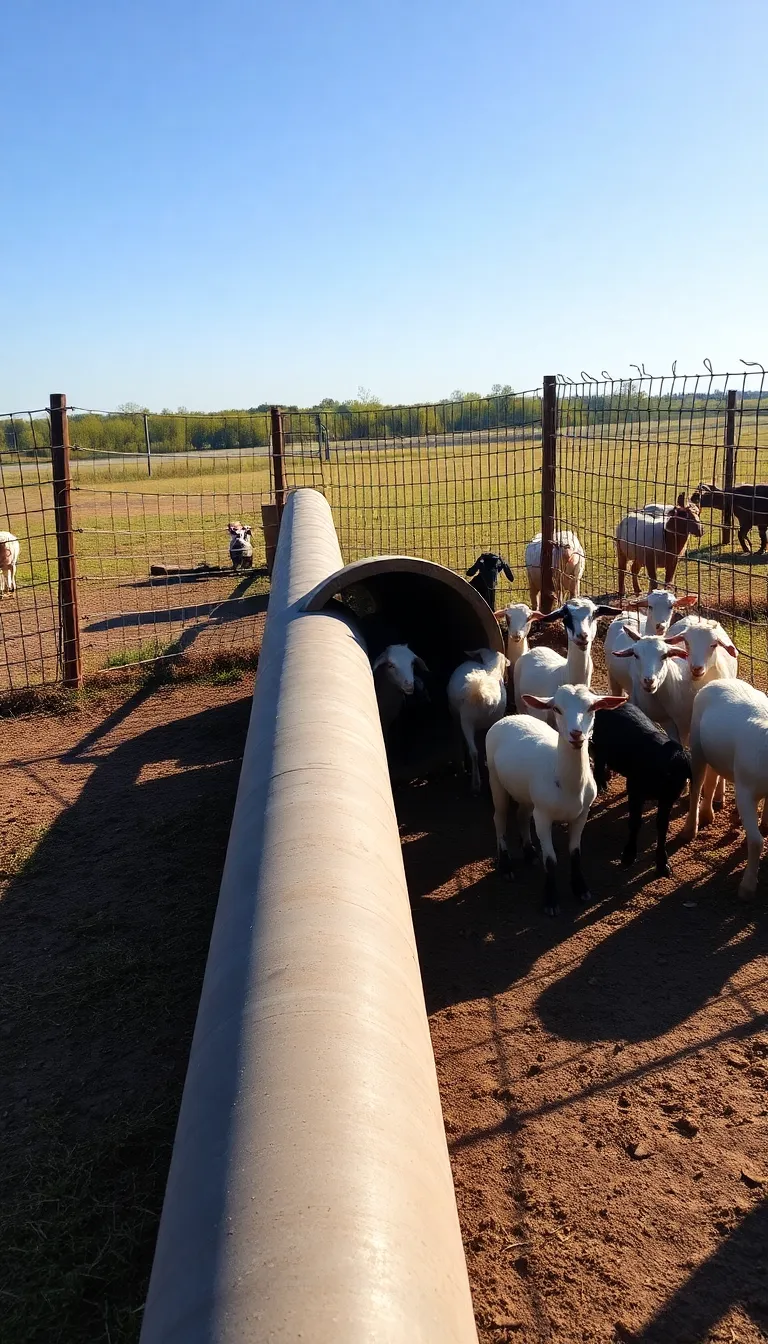
Adding an old concrete pipe gives my goats a fun tunnel to run through and hide inside. This simple structure creates a new spatial experience that stimulates their natural curiosity. I make sure the pipe’s interior is clean and free of sharp edges for safe play.
Pro Tip: Always clean and smooth inside tunnels to prevent injuries.
6.Swinging Tire Seat
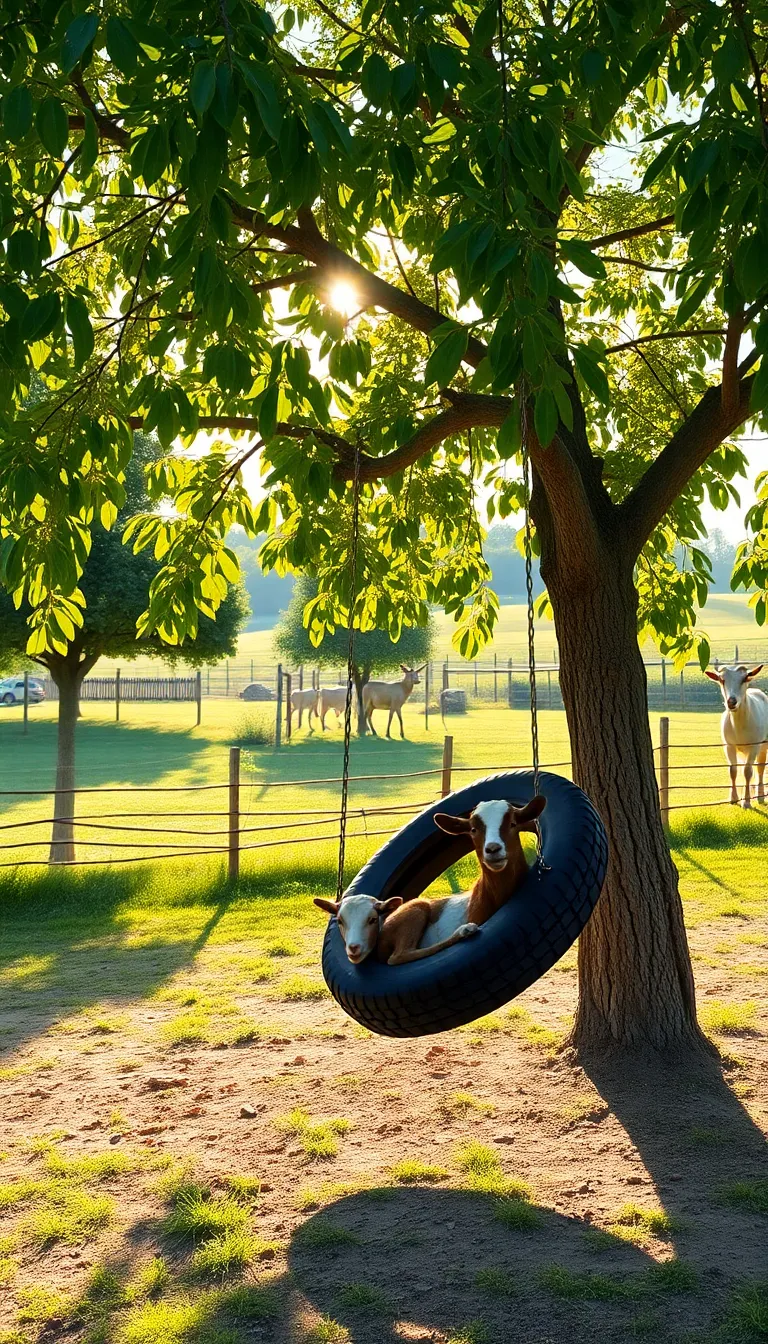
I fashioned an old tire into a swing hanging from a sturdy tree branch, which adds a playful motion for the goats. Swinging encourages physical activity and mental engagement with the gentle movement. I regularly inspect the hanging ropes and attachment points for strength and wear.
Pro Tip: Inspect all ropes regularly to ensure safe swinging for your goats.
7.Wooden Stump Climbing Circle
By arranging wooden stumps in a circle, I created a natural climbing and hopping course for my goats. This setup encourages social play and agility by offering varied heights and textures. I always select stump heights suitable for my goats’ size to avoid strain.
Insight: Offering varied heights keeps goats challenged and physically fit.
8.Rope Bridge Walkway
I built a rope bridge between two platforms for my goats to cross, adding an exciting challenge to their playground. Balancing on the ropes engages core muscles and sharpens focus. I made sure the ropes are thick and durable, and I check them frequently for wear.
Pro Tip: Choose thick, durable ropes and perform frequent safety inspections.
9.Hay Bale Climbing Pyramid
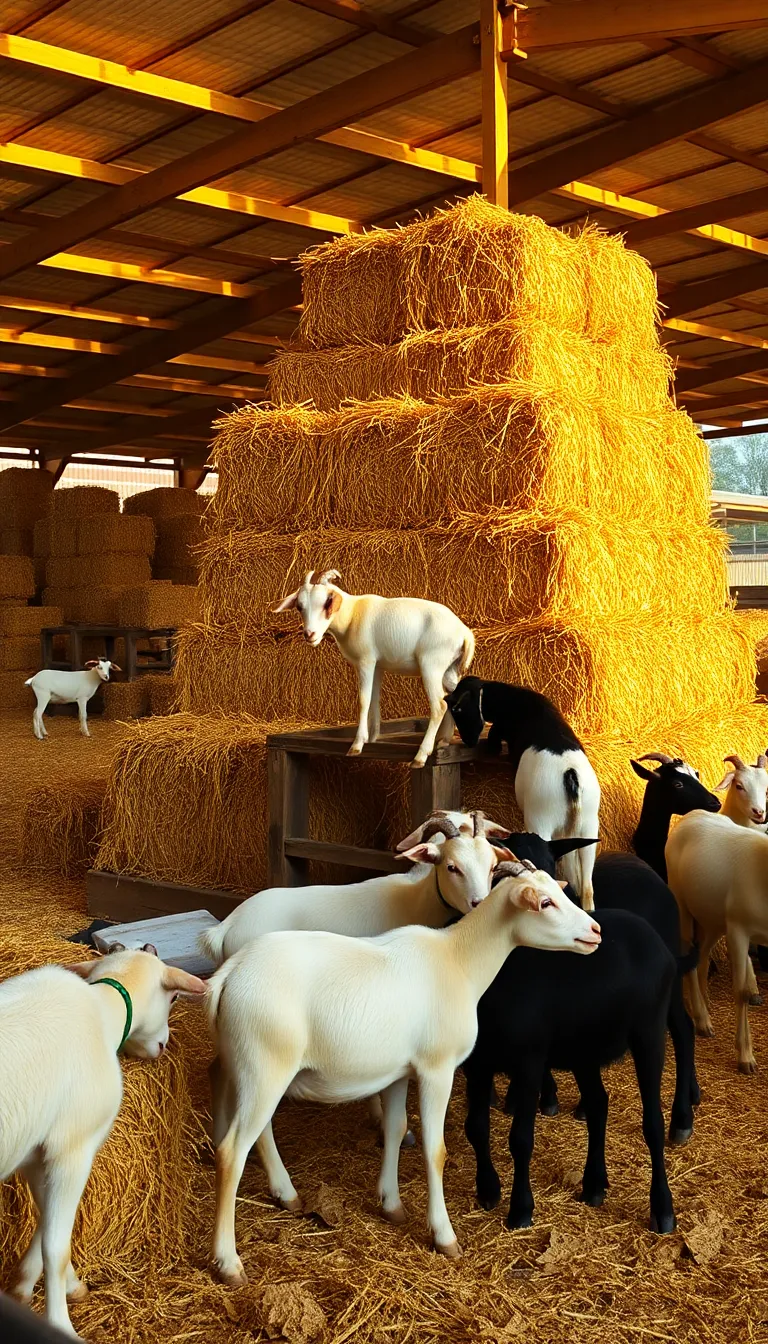
Stacking hay bales into a pyramid becomes an inviting climbing structure that also doubles as a snack. I found that my goats love combining play with feeding by hopping from bale to bale. I pad the base to prevent slips and check for loose hay pieces that could cause choking.
Pro Tip: Use hay bales for combined climbing and feeding but monitor for choking hazards.
10.Stepping Stone Path with Rocks
Arranging large flat stones creates a stepping stone path that encourages precise hoof placement. This natural approach exercises their balance and coordination in a low-impact way. I ensure the stones are stable and smooth to avoid injury or discomfort.
Fact: Goats’ hooves are naturally adapted for precise footing on rocky terrain.
11.Raised Feeding Platform with Steps
I designed a raised platform accessible by steps where I place food to encourage movement before eating. This encourages my goats to climb up before mealtime, stimulating physical activity. I keep the platform surface non-slip to prevent falls during eager feeding.
Pro Tip: Use textured, non-slip surfaces on feeding platforms for safe play.
12.Vertical Climbing Wall with Grooves
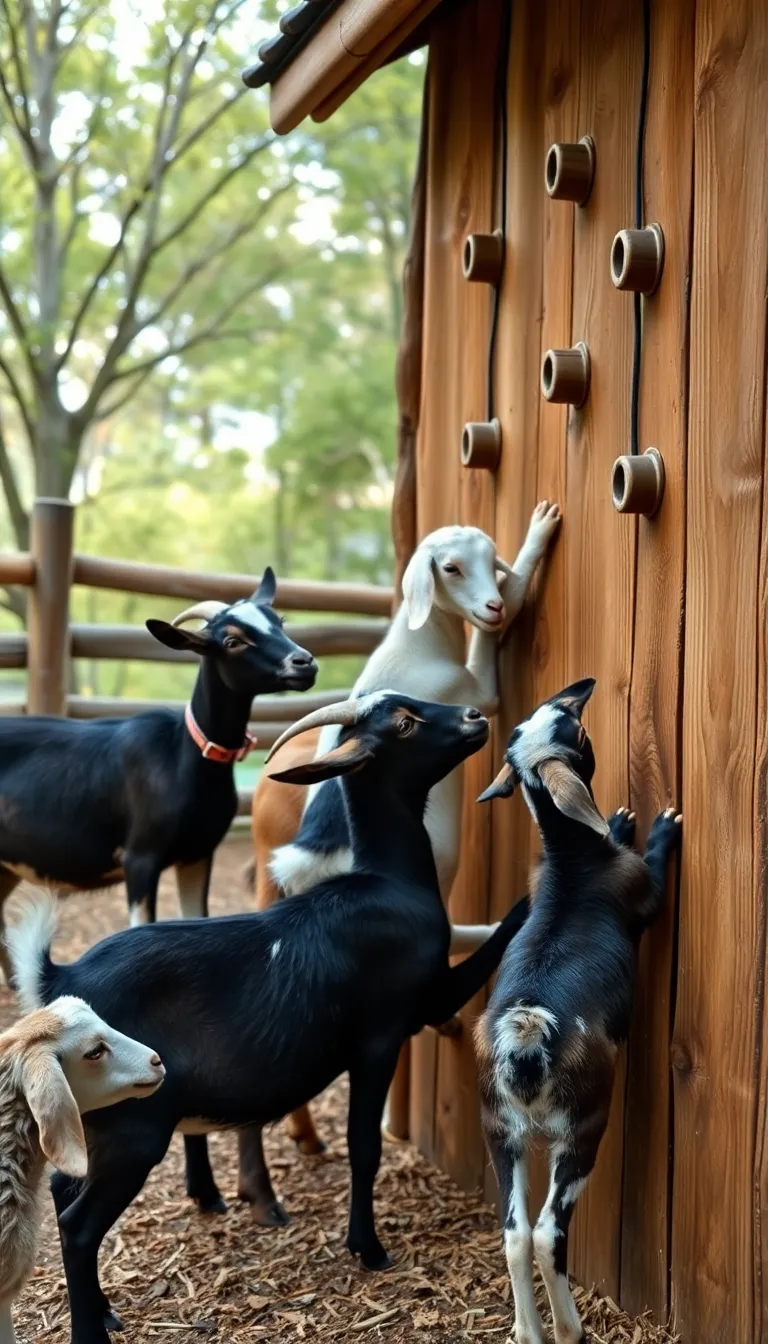
I added a vertical wooden wall with carved grooves and ledges to simulate cliff climbing. This structure challenges my goats’ strength and agility, allowing them to practice vertical movement safely. I sanded all surfaces thoroughly to prevent splinters or cuts.
Pro Tip: Sand grooves and ledges well to avoid injuries during climbing.
13.Tunnel Maze from PVC Pipes
Creating a tunnel maze from large PVC pipes appeals to my goats’ curiosity and desire to explore. They enjoy weaving through the maze, which provides mental stimulation along with physical activity. I secure pipes firmly and check joints to prevent movement while goats navigate.
Insight: I observed that maze complexity increases goats’ cognitive engagement.
14.Swinging Log Balance Beam
I suspended a thick log as a swinging balance beam to add dynamic movement to climbing activities. This variation helps goats develop stronger balance and adapt to unstable surfaces. I test the suspension setup regularly to ensure the log swings safely without dropping.
Pro Tip: Test and reinforce swinging supports regularly for safe dynamic play.
15.Shelter Roof Climber with Ramp
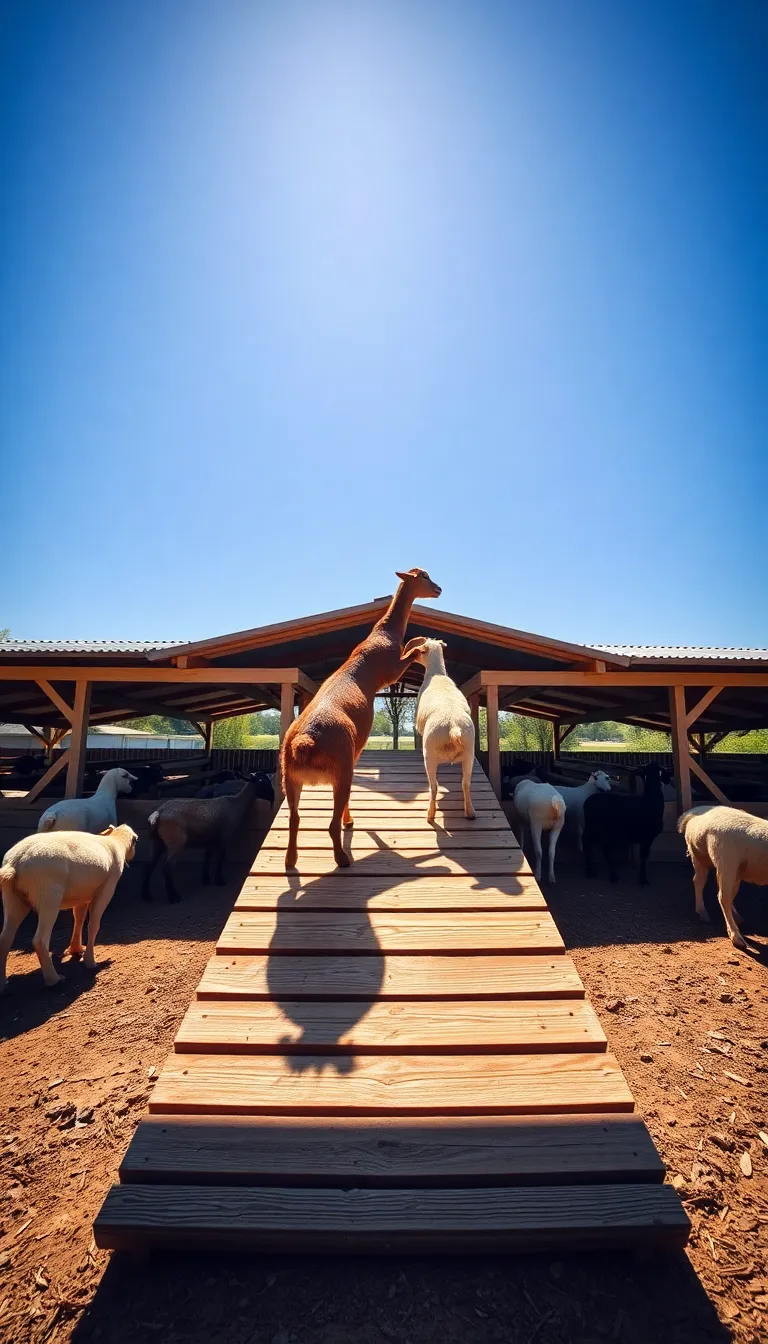
Incorporating a ramp leading onto the shelter roof gives goats additional elevated space they often seek. This addition turns existing structures into playgrounds, maximizing space and stimulating climbing instincts. I ensure the roof is sturdy and not slippery to avoid accidents.
Fact: Goats naturally seek elevated spaces for safety and observation.
16.Large Tire Step-Up Platforms
Placing large tires horizontally makes solid step-up platforms that my goats enjoy jumping onto. The tires’ surfaces provide good grip with a slightly springy feel, ideal for exercise. I secure them on level ground to prevent unwanted rolling or tipping.
Pro Tip: Anchor tires securely to maintain safety and stable footing.
17.Wooden Log Teeter-Totter
Constructing a wooden log teeter-totter gives goats an entertaining way to experience motion and balance together. This interactive playground feature encourages communication among goats as they play. I balance the log well and check for slippage to keep play safe.
Insight: I’ve seen goats bond over shared teeter-totter play experiences.
18.Stacked Rock Climbing Wall
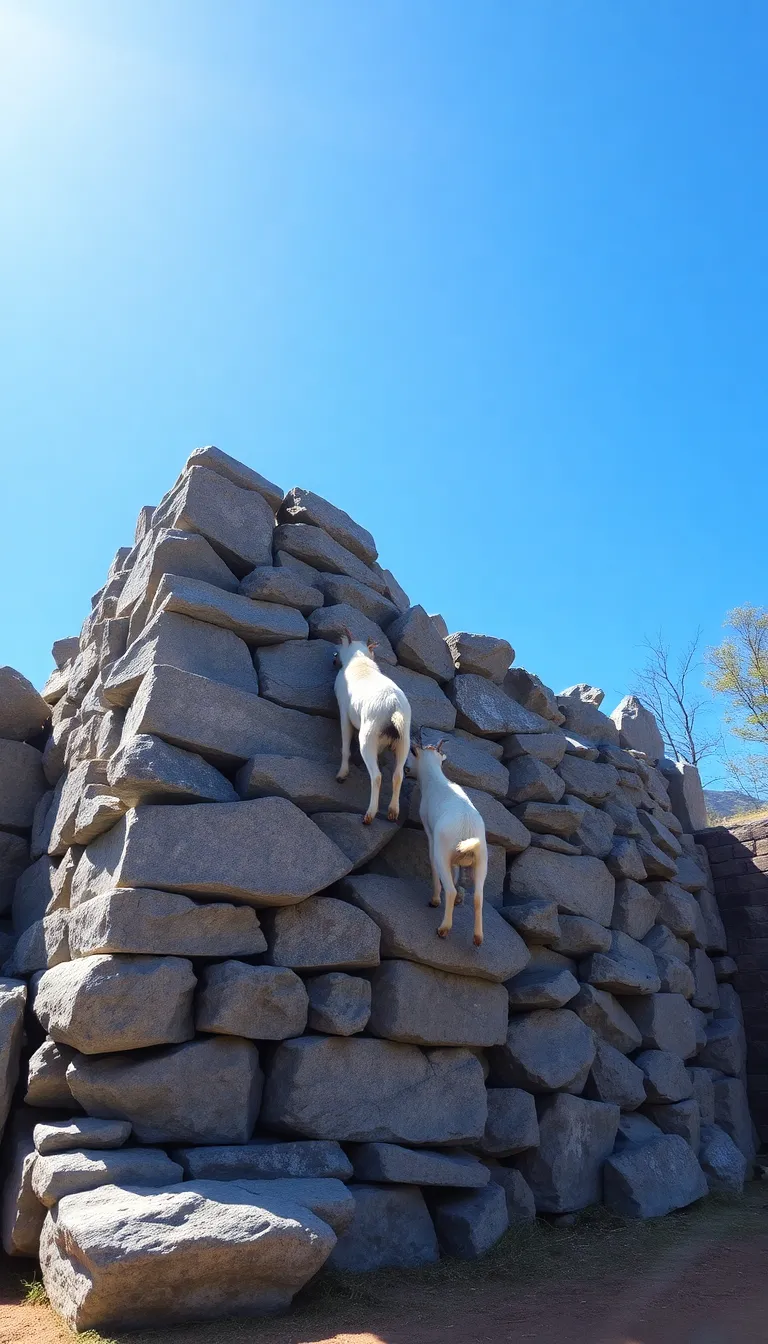
I arranged carefully stacked rocks of varying sizes and shapes to build a natural climbing wall. This enriches the environment by encouraging natural goat movements like scrambling and jumping. I regularly inspect the rocks for stability to prevent any hazards.
Pro Tip: Check stacked rocks often for secure placement and safety.
19.Rope Ladder Climber
Adding a rope ladder between platforms provides a flexible climbing route for my agile goats. The gentle sway of the rope ladder adds a fun balance challenge that they quickly master. I ensure the ladder is taut and strong enough to support their weight safely.
Pro Tip: Keep rope ladders tight and inspect for wear to avoid accidents.
20.Sand Pit Digging Area
I created a sand pit filled with clean sand to give my goats a soft place to dig and play. This stimulates natural foraging behavior and provides a cool spot during warm days. I rake the sand regularly to keep it fresh and free from debris.
Fact: Goats enjoy digging and foraging activities to satisfy natural instincts.
21.Hanging Treat Dispenser
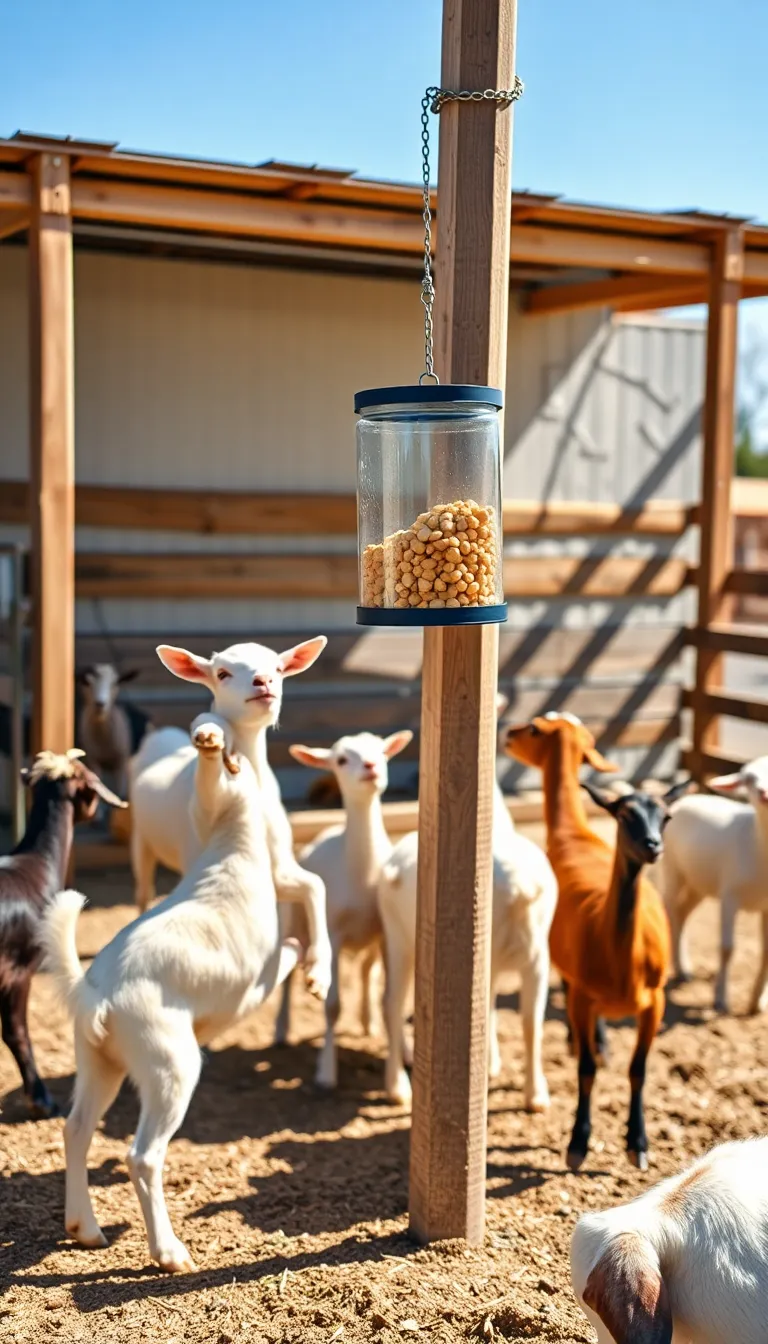
Installing a hanging treat dispenser that requires goats to jump and nudge gives mental and physical stimulation. This keeps feeding time engaging and motivates exercise. I refill treats regularly and ensure the mechanism is sturdy and safe.
Pro Tip: Use interactive feeders to combine nutrition with play and exercise.
22.Wooden Barrel Climber
Repurposing an old wooden barrel by securing it on its side creates a novel climbing and hiding spot. Goats enjoy climbing over and crawling through this fun, barrel-shaped feature. I inspect the wood for cracks and sharp edges routinely to prevent harm.
Insight: I noticed goats often use barrels as both playgrounds and resting spots.
23.Concrete Steps Seating Area
Building concrete steps as a seating and climbing area offers goats diverse levels to jump and rest on. These steps mimic rocky ledges, promoting natural movement and observation points. I smooth all edges to keep the surfaces comfortable for their hooves.
Pro Tip: Smooth all concrete step edges to protect goats’ hooves.
24.Swinging Hay Bale Platform
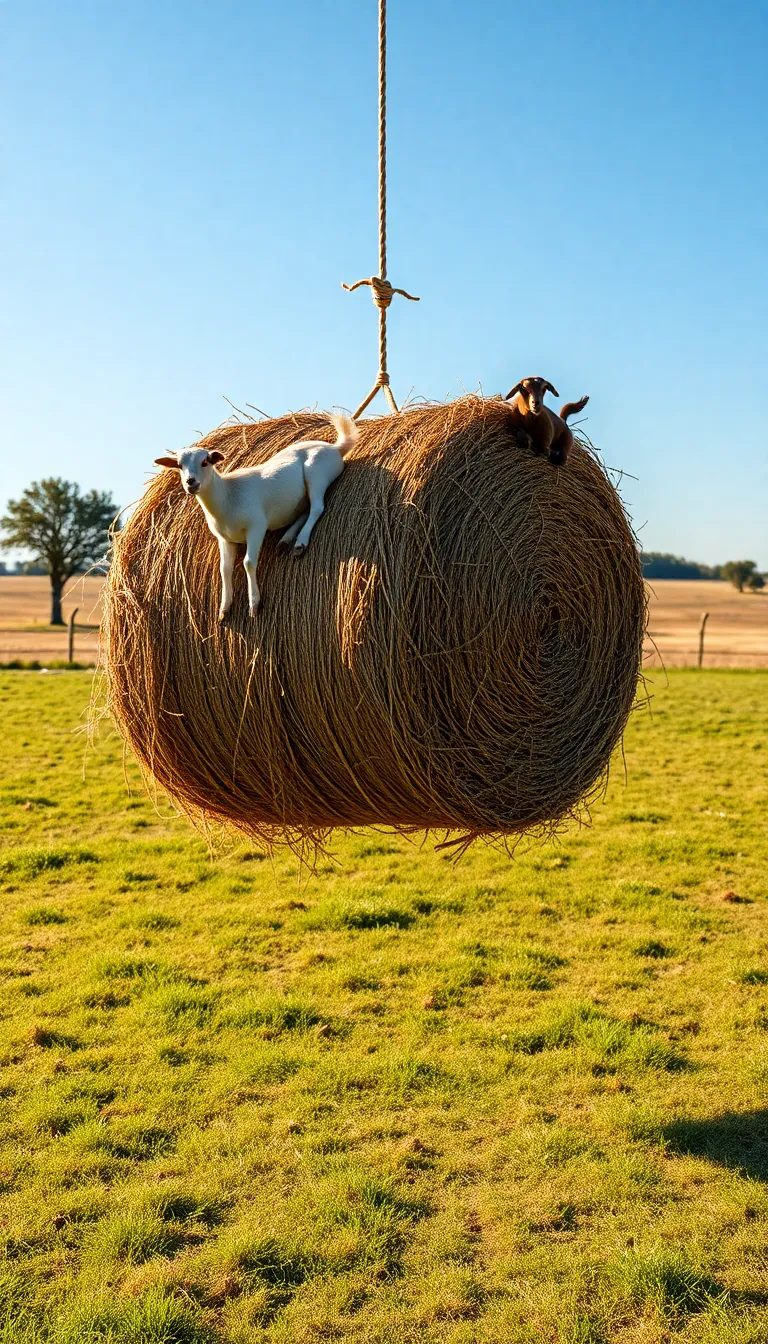
I suspended a flat hay bale with ropes as a swinging platform, adding a gentle motion element to playtime. Goats are intrigued by the movement and enjoy balancing as it swings slightly. I monitor rope strength and bale condition to maintain safety and comfort.
Pro Tip: Regularly check ropes and hay bale condition for safe swinging.
Conclusion
Through my hands-on experience building goat playgrounds, I’ve seen firsthand how diverse and creative DIY options can improve goat wellbeing. Combining safety, natural elements, and challenge keeps goats happy and active all year round. I encourage every goat owner to try these ideas and adapt them to their unique spaces in 2026.