15 DIY Home Office Ideas to Boost Productivity
A comfortable, organized workspace can make working from home easier and more enjoyable. The right Home Office Ideas can help you stay focused, reduce clutter, and create a space that fits your style without spending a fortune on furniture or decorations.
Whether you have a separate room, a small bedroom corner, or an unused wall, there are plenty of creative ways to build a productive home office. From DIY desks made with filing cabinets to clever storage solutions and cozy lighting, these ideas will help you create a workspace that works for your daily routine.
1. Build a DIY Desk With Filing Cabinets
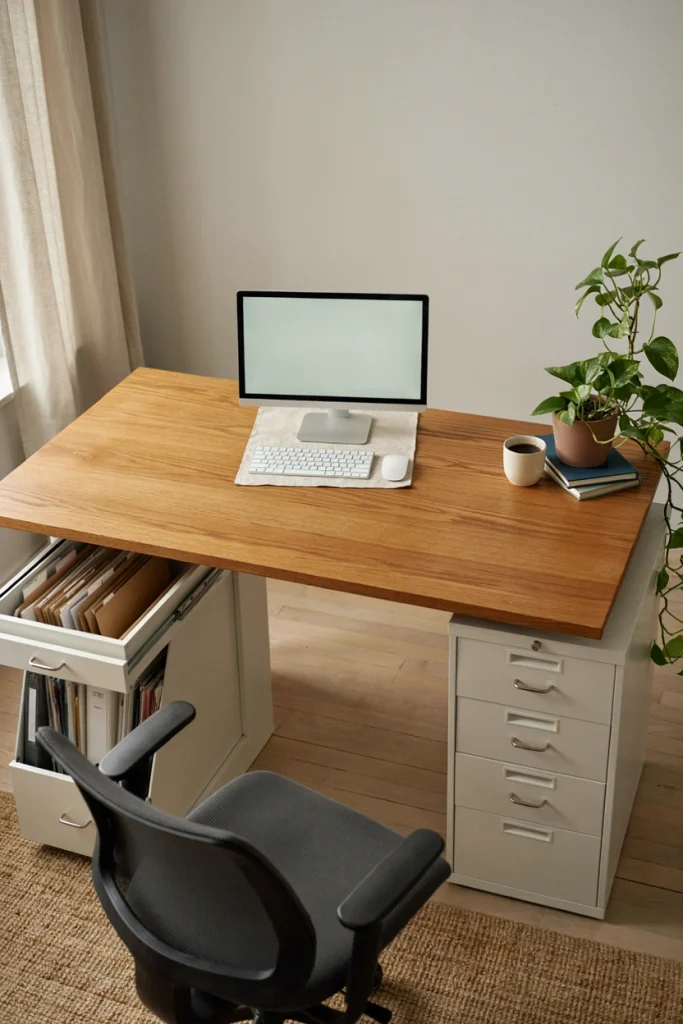
DIY office desk with filing cabinets
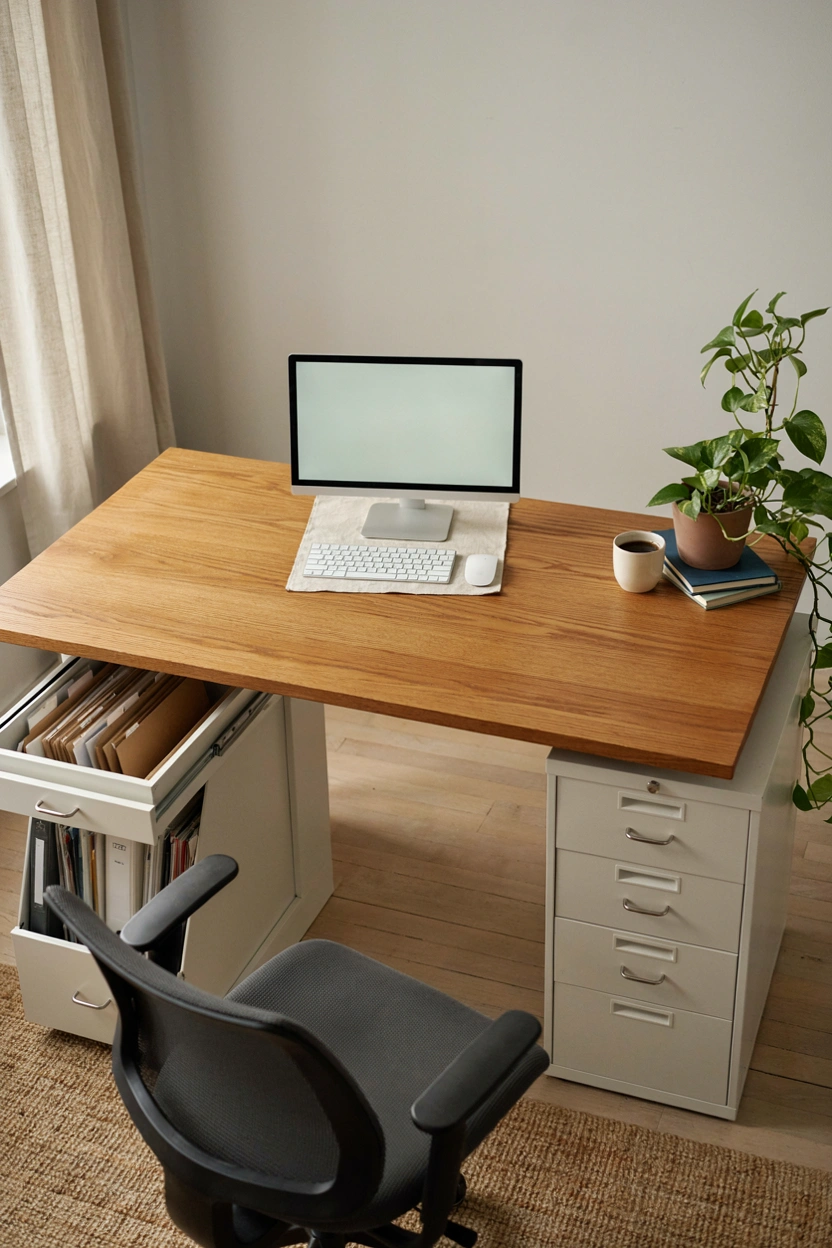
Turn two sturdy filing cabinets into a practical desk by placing a solid wooden desktop across them. This setup gives you a generous work surface while keeping paperwork, office supplies, and important documents neatly stored within reach.
Choose cabinets that match your room’s style, whether you prefer white metal, natural wood, or matte black. Measure your available space before purchasing the desktop, and make sure the cabinets support the weight safely.
Pro Tip: Add nonslip pads between the cabinets and desktop to reduce movement, and secure the setup if needed for extra stability.
2. Create a Desk Made From Filing Cabinets and Wood
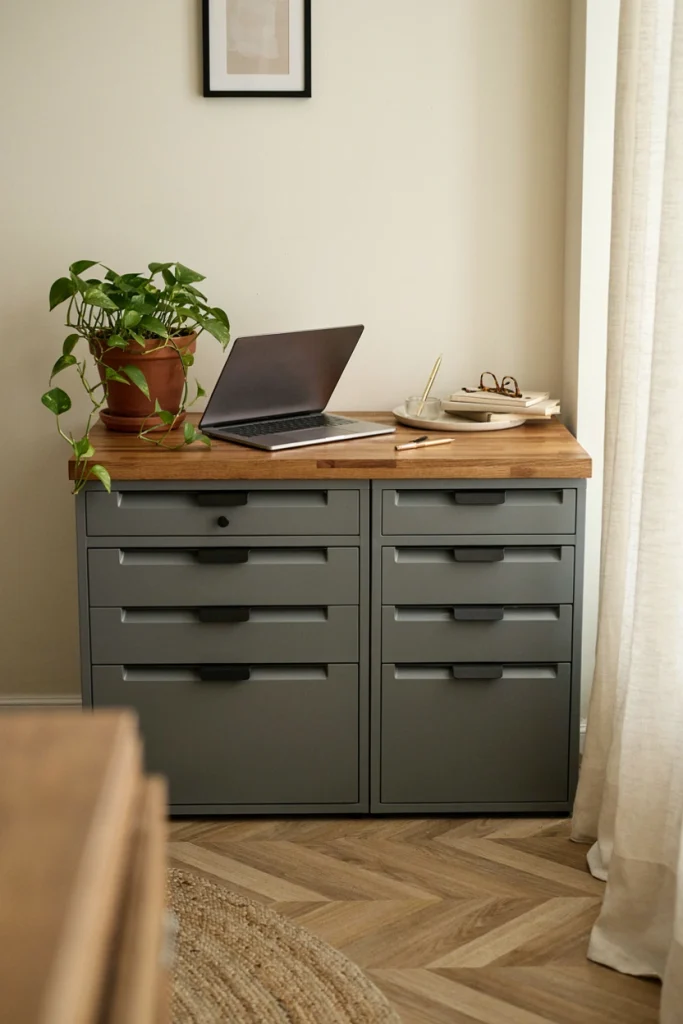
A desk made from filing cabinets and a wooden countertop offers a simple way to combine storage with a custom work surface. Choose a butcher-block countertop, reclaimed timber, or a smooth laminated board to suit your budget and decorating style.
Position the cabinets at a comfortable distance for your chair, leaving enough room for your legs. Sand and seal unfinished wood to protect it from scratches, coffee spills, and everyday wear.
Pro Tip: Use matching cabinet handles and a wood finish that complements your other furniture for a coordinated look.
3. Try a DIY Desk With Filing Cabinets on One Side
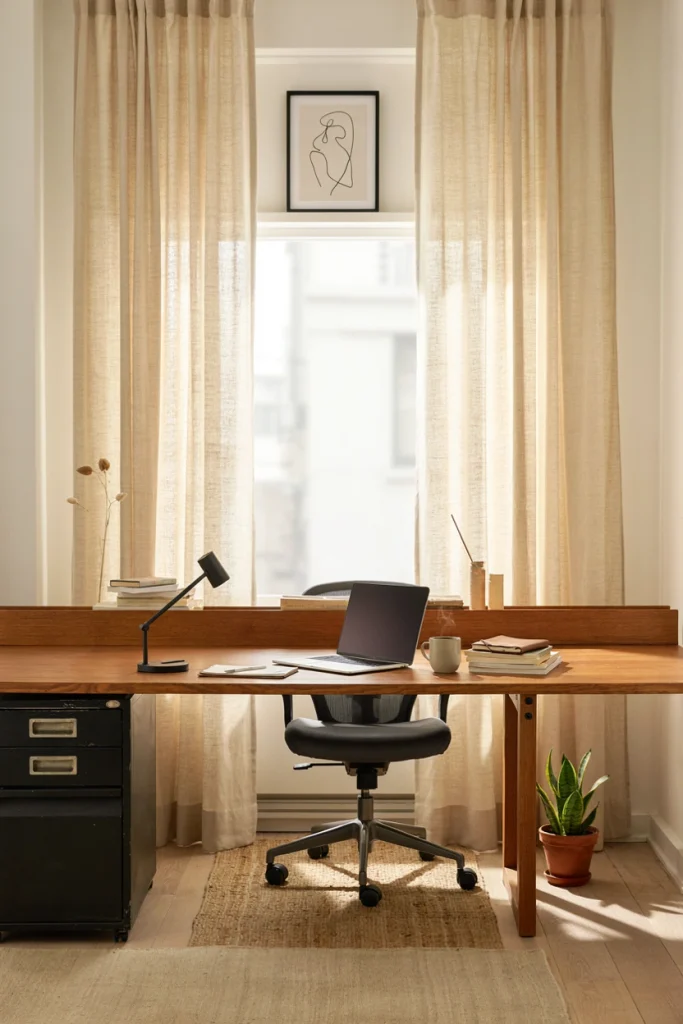
If you need extra legroom, place one filing cabinet at one end of your desktop and use sturdy, properly rated legs or another suitable support at the opposite end. This arrangement creates a more open workspace without giving up convenient document storage.
It works particularly well in smaller home offices where a bulky desk can make the room feel crowded. Choose a desktop that is strong enough to span the distance between its supports.
Pro Tip: Check the desktop’s load rating and support requirements before assembly, especially if you use multiple monitors.
4. Make a Double Filing Cabinet Desk
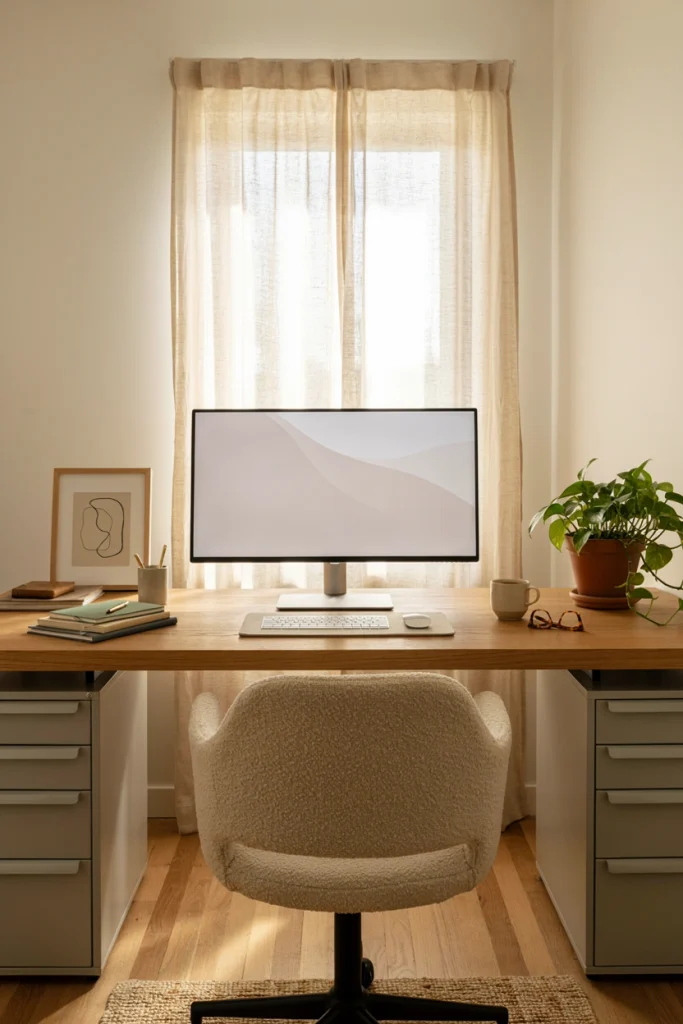
A double filing cabinet desk is useful when you need room for a laptop, monitor, notebook, and other everyday essentials. Place one cabinet at each end of a wide desktop to create a balanced workstation with storage on both sides.
This arrangement suits a dedicated home office or a large bedroom workspace. Keep frequently used files in the drawers closest to your chair so you can retrieve them without interrupting your work.
Pro Tip: Use drawer organizers to separate active projects, bills, stationery, and archived paperwork.
5. Refresh an Old Filing Cabinet Desk
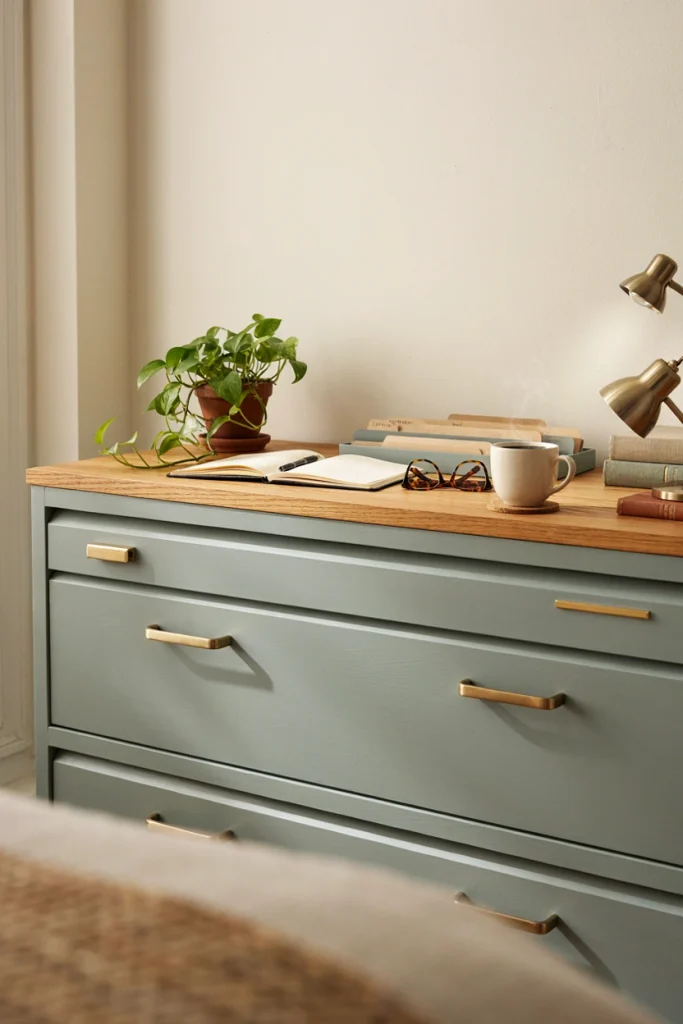
An outdated filing cabinet can become an attractive part of your home office with a little DIY effort. Clean the surface, repair minor damage, and apply suitable metal or furniture paint according to the manufacturer’s instructions.
Try soft sage green, warm white, charcoal, or a muted blue to complement your existing decor. Replace worn handles with simple modern hardware, ensuring the new fittings fit the original holes.
Pro Tip: Remove the drawers before painting, protect the surrounding area, and allow the finish to cure fully before putting everything back together.
6. Design a Minimalist Home Office
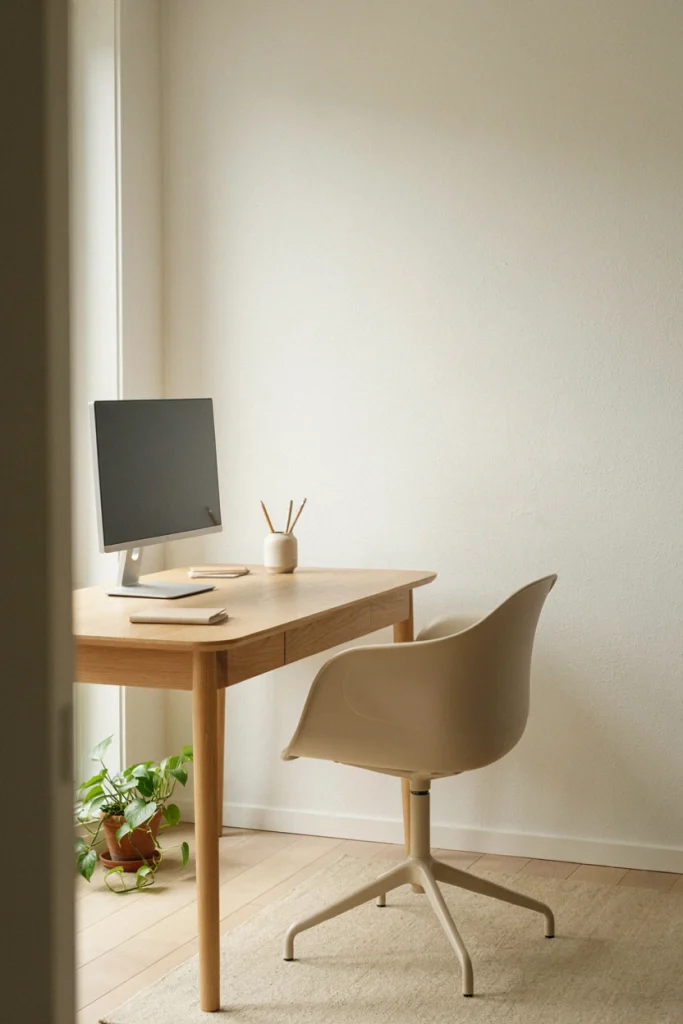
A minimalist workspace helps you focus by keeping unnecessary objects out of sight. Choose a simple desk, a comfortable chair, and a few useful accessories instead of filling the room with decorations that compete for attention.
Use a limited color palette, such as white, beige, and natural wood, to create a calm atmosphere. Keep only the supplies you use regularly on your desktop and store everything else in drawers or labeled boxes.
Pro Tip: Before buying organizers, remove items you no longer need so you do not spend money storing unnecessary clutter.
7. Create a Small Corner Home Office
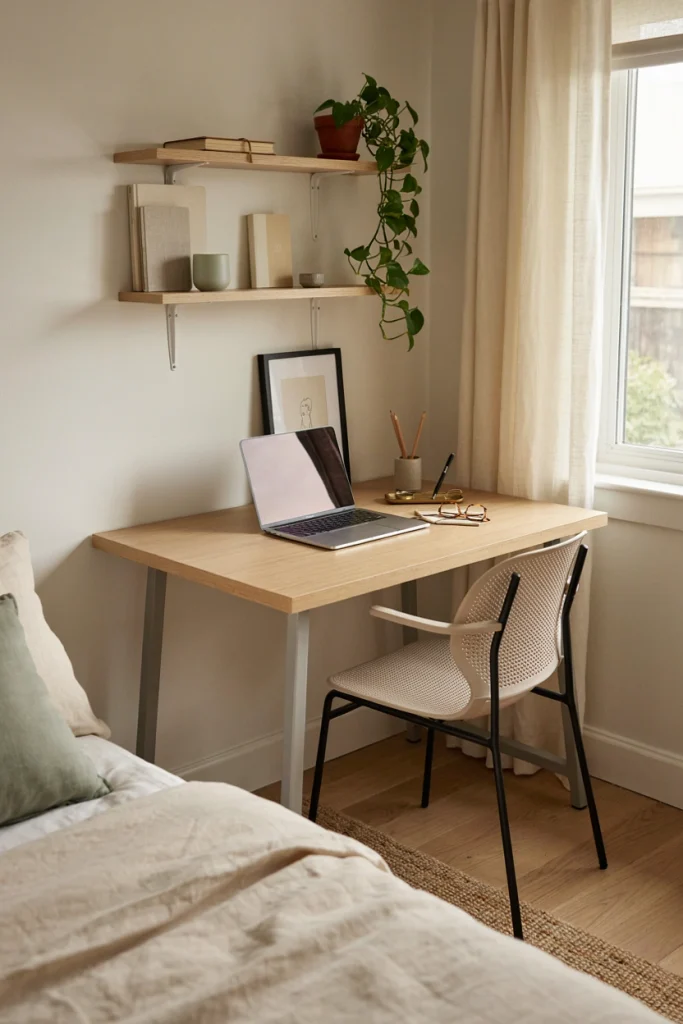
An unused corner can become a productive workspace with a compact desk, a supportive chair, and a little vertical storage. This is a practical solution for apartments, shared bedrooms, and homes without a separate office.
Position the desk near natural light when possible, and use floating shelves to keep notebooks and supplies off the desktop. Choose furniture that fits the corner without blocking walkways or nearby doors.
Pro Tip: Measure both walls before buying a corner desk to ensure drawers and chair movement will fit comfortably.
8. Install Floating Shelves Above Your Desk
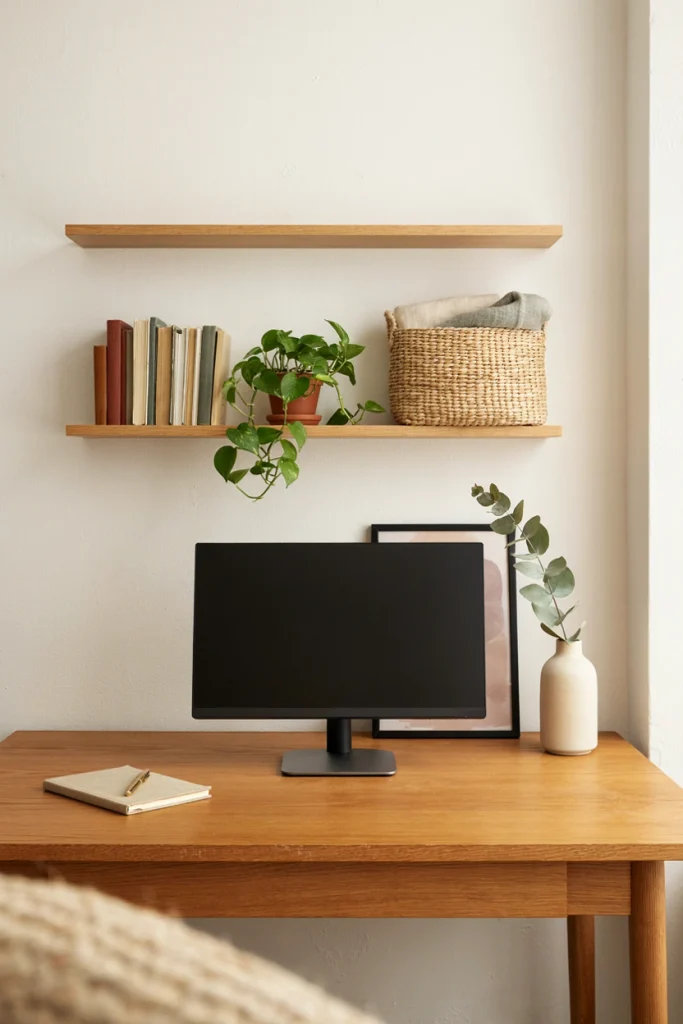
Floating shelves provide storage without taking up valuable floor space. Use them for books, baskets, small plants, and attractive containers that keep everyday office supplies organized.
Arrange heavier items on properly installed shelves with suitable wall anchors. Leave enough open space above your desk so the shelves do not make your workspace feel cramped or distract you while working.
Pro Tip: Store frequently used items on the lowest shelf and decorative objects higher up to keep essentials easy to reach.
9. Build a Budget-Friendly Desk From Reclaimed Wood
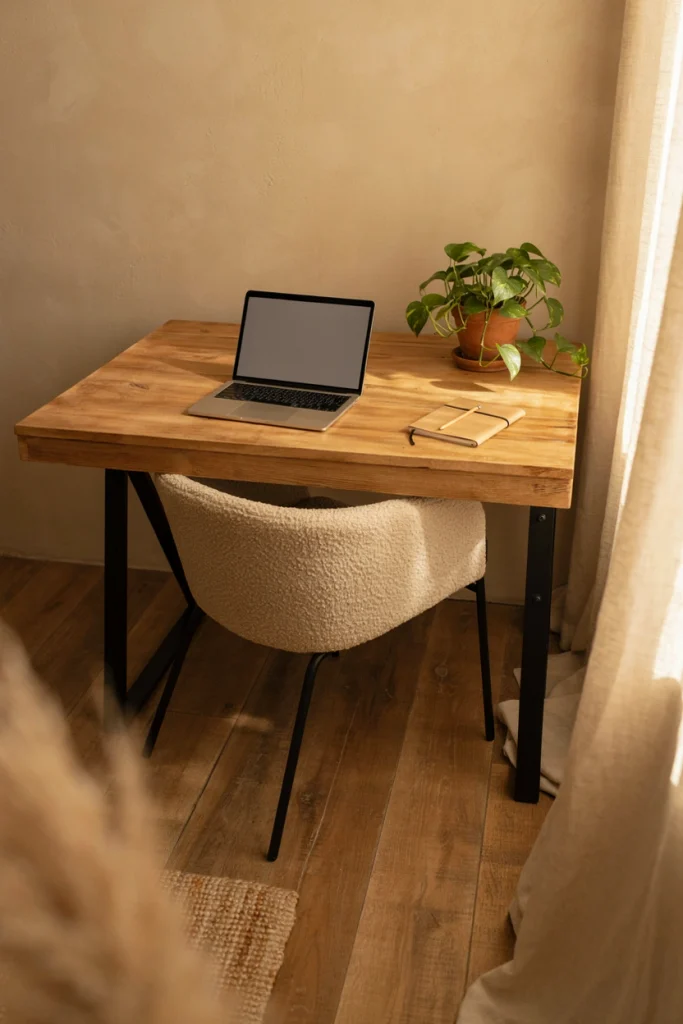
Reclaimed wood can give your home office character while helping you reuse materials. Look for sturdy boards, a salvaged tabletop, or suitable timber that can be cleaned, sanded, and finished for a smooth working surface.
Pair the wood with stable desk legs or a properly supported frame. Natural grain, small variations in color, and a clear protective finish can make the finished desk feel warm and unique without requiring expensive furniture.
Pro Tip: Inspect reclaimed wood for loose nails, splinters, pests, and damage before bringing it into your workspace.
10. Create a Wall-Mounted Fold-Down Desk
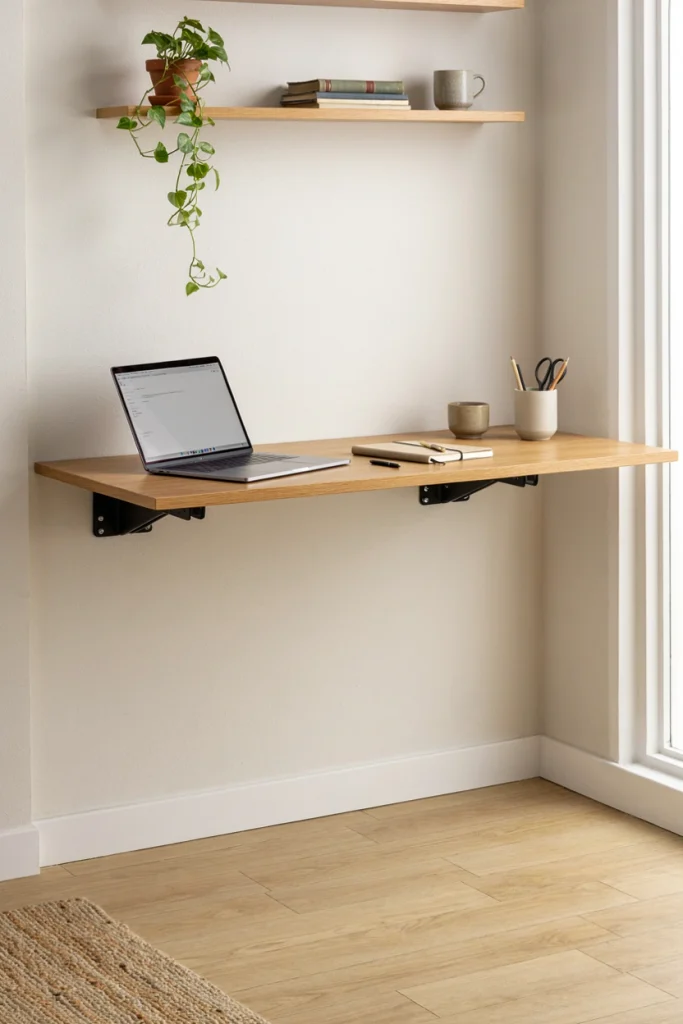
A fold-down desk is an excellent option when your office needs to share space with another activity. When properly installed, the desktop folds against the wall after work, leaving more room for exercise, hobbies, or everyday household tasks.
Choose a design with reliable hinges and supports rated for the intended load. Add a small nearby shelf or wall organizer for stationery, charging cables, and notebooks.
Pro Tip: Follow the manufacturer’s mounting instructions and attach the desk to suitable structural support rather than relying on drywall alone.
11. Organize Your Office With Drawer Dividers
A messy drawer can waste time when you need a pen, charger, sticky note, or important document. Drawer dividers create separate spaces for different supplies, making it easier to find what you need without emptying the entire drawer.
Use adjustable dividers, small boxes, or repurposed containers to organize your filing cabinet desk. Group similar items together and reserve one section for the supplies you reach for every day.
Pro Tip: Measure each drawer before purchasing dividers to avoid gaps and wasted storage space.
12. Add a Pegboard Organization Wall
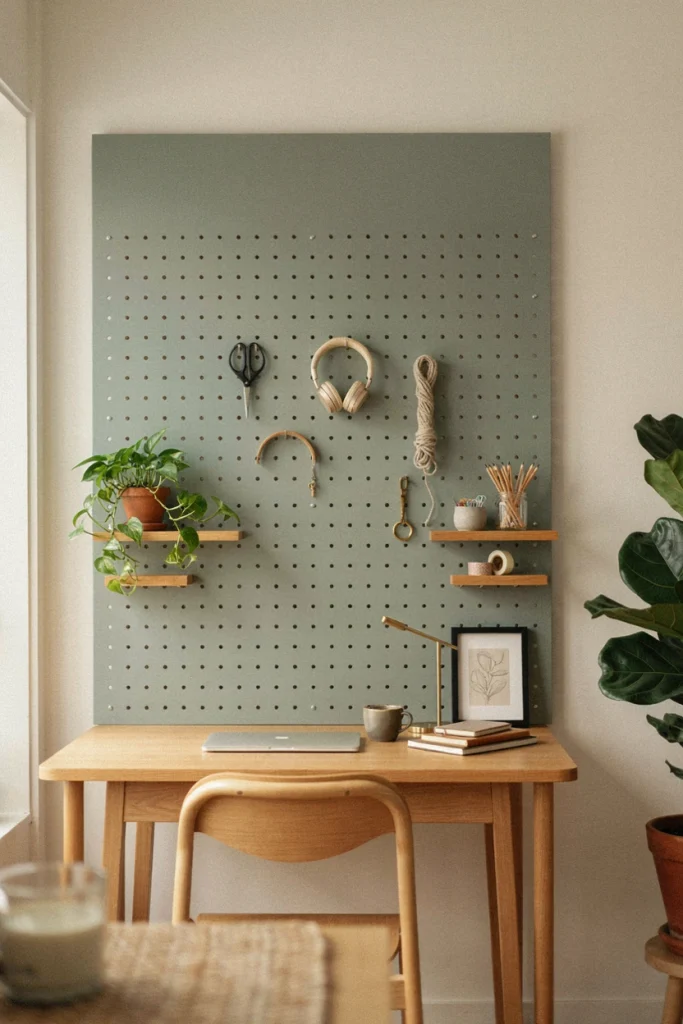
A pegboard turns an empty wall into flexible storage for lightweight office essentials. Add hooks, small shelves, and containers to hold scissors, headphones, notebooks, cables, and other items that otherwise clutter your desk.
Arrange the accessories according to your workflow, keeping daily supplies close to your main work area. A painted pegboard can also complement your room’s colors and make practical storage part of the decor.
Pro Tip: Use a layout you can easily change as your work habits or storage needs evolve.
13. Create a Cozy Home Office With Warm Lighting
Good lighting can make your workspace more comfortable, especially when you work early in the morning or after sunset. Combine natural daylight with a desk lamp that illuminates your paperwork without creating distracting glare on your monitor.
Warm accent lighting can make the room feel inviting, while a suitable task light provides focused illumination. Position lamps carefully so cords stay organized and the light reaches your working area.
Pro Tip: Choose adjustable task lighting so you can direct the beam toward your work instead of your eyes or screen.
14. Make a Dedicated Office Supply Station
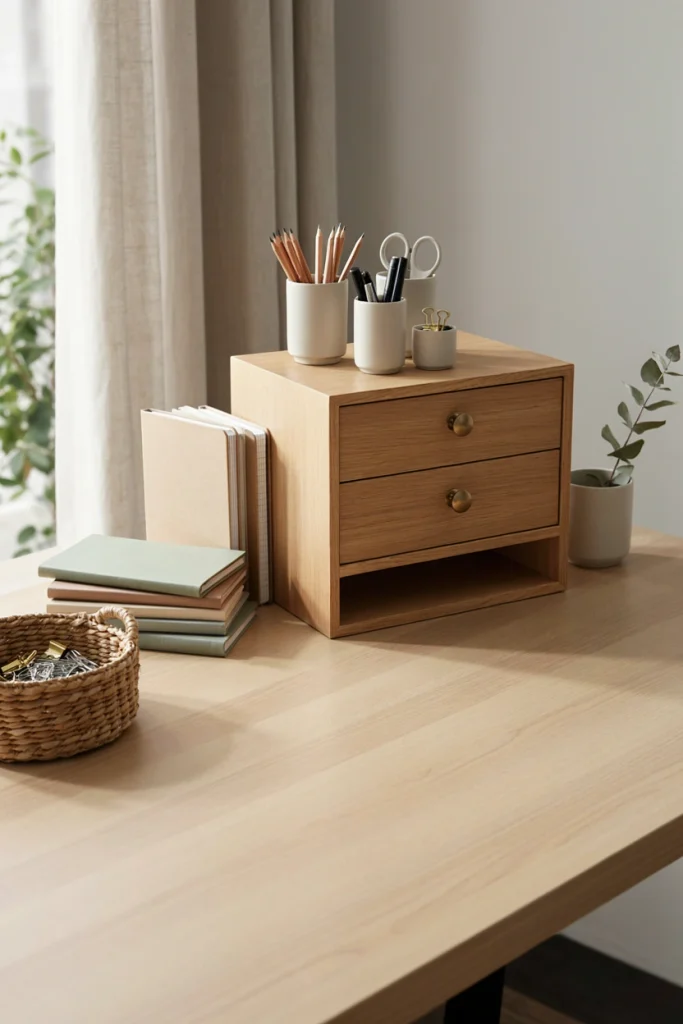
A dedicated supply station keeps frequently used materials organized and prevents your desktop from becoming a storage area. Use a small drawer unit, countertop organizer, or shelf with labeled containers for pens, paper clips, notebooks, printer paper, and other essentials.
Place the station near your desk without blocking the chair or walking space. Keeping similar items together also makes it easier to notice when supplies are running low.
Pro Tip: Keep backup supplies separate from everyday essentials to prevent your main organizer from becoming overcrowded.
15. Add Plants to Your Home Office
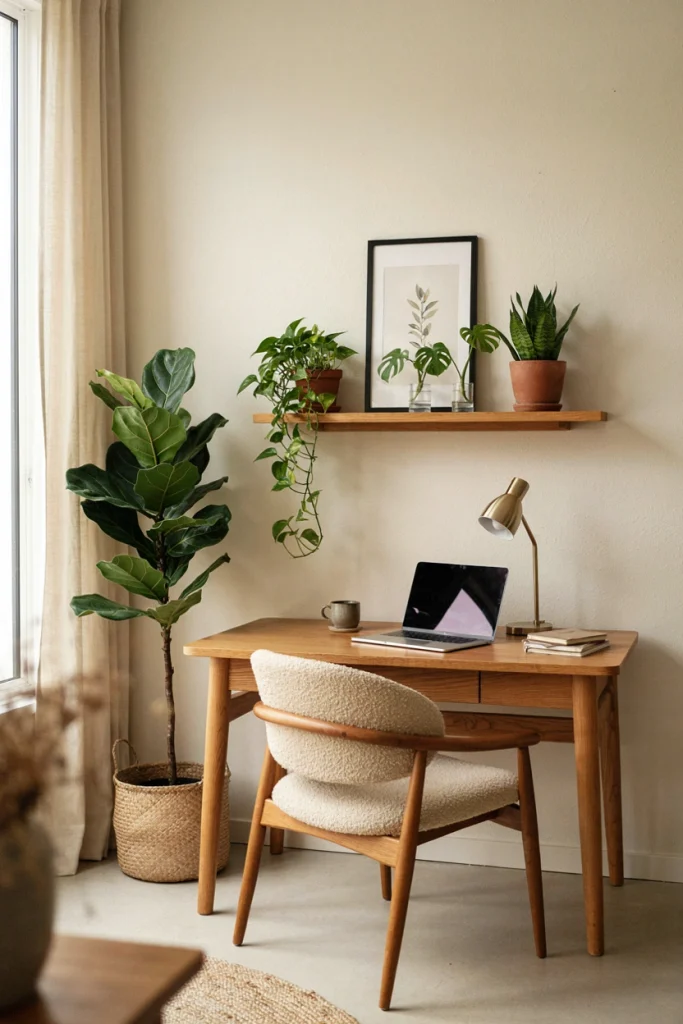
Houseplants can bring color and a natural touch to a workspace that feels plain or sterile. Choose varieties that suit the available light and your ability to care for them, and place them where they will not interfere with your equipment.
A small plant on a shelf or a larger plant beside the desk can add visual interest without taking over the room. Use a waterproof saucer to protect wooden surfaces from moisture.
Pro Tip: If your office receives little daylight, choose a suitable low-light plant or consider a quality artificial plant.